
Products
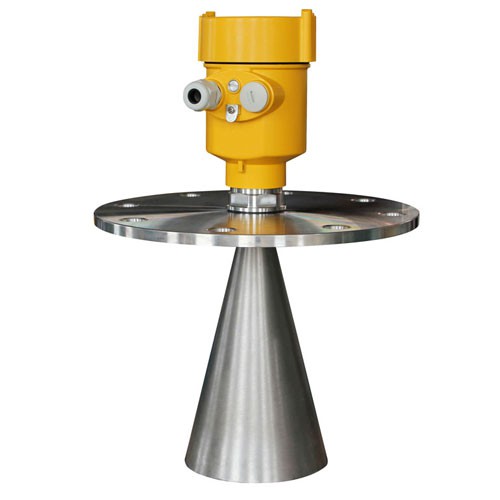
Radar Level Transmitter
Working Principle The basic working principle of a radar level transmitter is Transmission – Reflection – Reception . It emits radar waves toward the surface of the medium, receives the reflected signal, and calculates the level based on the time of flight. Key Features High...
Features
Working Principle
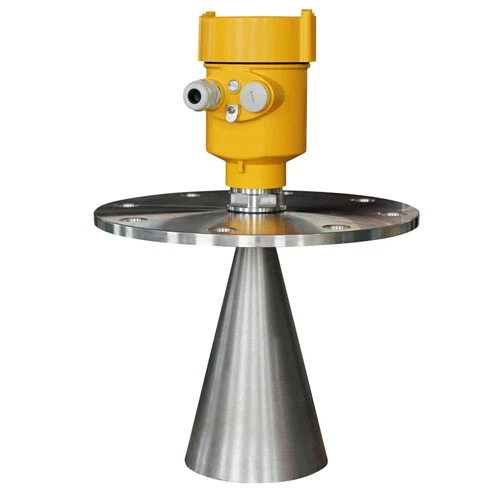
The basic working principle of a radar level transmitter is Transmission – Reflection – Reception. It emits radar waves toward the surface of the medium, receives the reflected signal, and calculates the level based on the time of flight.
Key Features
High Precision: Offers accurate level measurement even under complex process conditions.
Non-Contact Measurement: Measures liquid level without direct contact with the medium.
Excellent Resistance:
Can withstand high temperatures and high pressure
Not affected by buildup or condensation
Strong corrosion resistance, suitable for aggressive media
Vacuum Compatible: Can be used reliably even in vacuum environments.
Easy Installation: Simple setup and configuration, no complex mechanical parts.
Wide Applications
Due to its high reliability and robust performance, radar level transmitters are widely used in the measurement of liquid levels in pressure vessels across various industries, including:
Chemical
Petrochemical
Water treatment
Food & Beverage
Pharmaceutical
Did You Know?
Radar level transmitters are gaining more and more importance in industrial measurement applications. Their ability to ignore extreme process conditions such as heat, pressure, fouling, and condensation, makes them a preferred choice for modern level monitoring.
No Information
You Might Also Like
Send Inquiry
